
Resources
Our multimedia resource library features content developed by both Switchboard and the larger resettlement community. You can browse the library by resource type, topic, population group, language, or publication year, or by using keywords through our search bar.
The external resources listed in this library represent the views and opinions of their original authors and do not necessarily represent the views or opinions of Switchboard.
Refine Results
FIRST PUBLISHED
RESOURCE TYPE
TOPIC
TARGET AUDIENCE
PUBLISHED BY
POPULATION
LANGUAGE

PUBLISHED BY:
The resettlement process can be extremely difficult for children, particularly when they need to discuss sensitive or potentially traumatic subjects. Using play and play-based methods is a research-proven way to help children feel comfortable and safe, with a sense of agency over their own stories. In this blog post, we explain why play is critical […]
PUBLISHED BY:
The people who serve within the United States refugee resettlement system are its core infrastructure. The quality, consistency, and reach of services for arriving refugees depend directly on the capacity and well-being of the workforce that delivers them. The Annual Survey of Refugee Service Providers (ASRSP) is the first nationwide effort to understand this workforce […]
PUBLISHED BY:
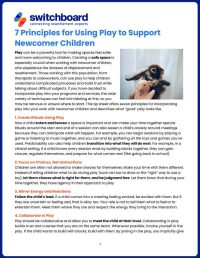
Play can be a powerful tool for making spaces feel safer and more welcoming to children. Creating a safe space is especially crucial when working with newcomer children, who experience the stresses of displacement and resettlement. Those working with this population, from therapists to caseworkers, can use play to help children understand complicated processes and […]
PUBLISHED BY:
In this collection of video clips, survivors of trafficking and anti-trafficking advocates share hard-won insights on how service providers can better recognize and support people who have experienced labor and sex trafficking. Many clips come from The Crossover Between Sex and Labor Trafficking: Elevation Without Segregation, a two-hour survivor-led panel on the intersections between the […]
PUBLISHED BY:
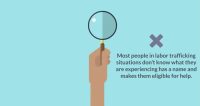
Hear directly from survivors of labor trafficking in this video playlist from Framework, a former project of the International Rescue Committee dedicated to giving service providers tools to combat labor trafficking. Through first-person testimonies and stories, survivors share their experiences of trafficking in industries such as agriculture, restaurants, traveling sales, and household work. They also […]

TOPIC:
SUBTOPIC:
PUBLISHED BY:
Are you a service provider working with newcomer clients with disabilities? Newcomers with disabilities may be eligible for supports they do not know exist, especially if disability services were unfamiliar, stigmatized, or inaccessible in their home communities. You do not need to be an expert in every program to help! This blog post gives you […]